
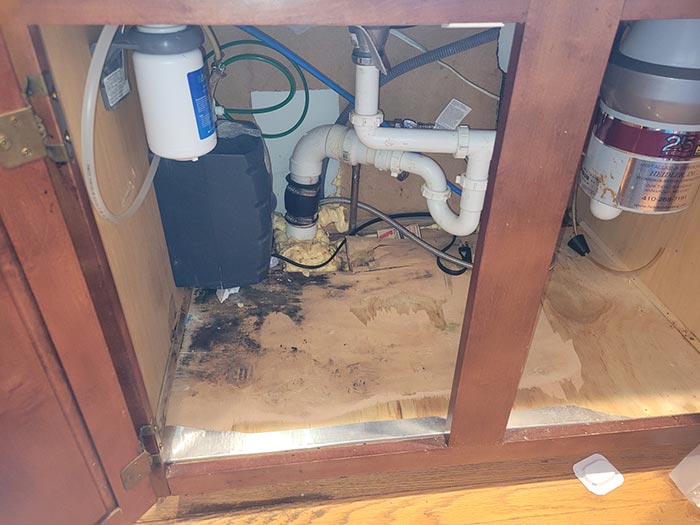
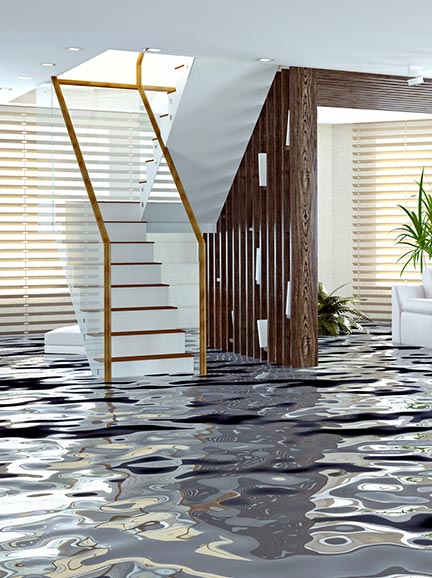
Water damage can happen quickly and unexpectedly, especially with seasonal rains, burst pipes, or severe weather common in Maryland. When water enters your home, the risk of mold growth increases, potentially causing structural damage and health issues, especially in humid climates like those in Baltimore County. Addressing water damage promptly is critical for maintaining a safe living environment.
Act Swiftly: The First 48 Hours Matter
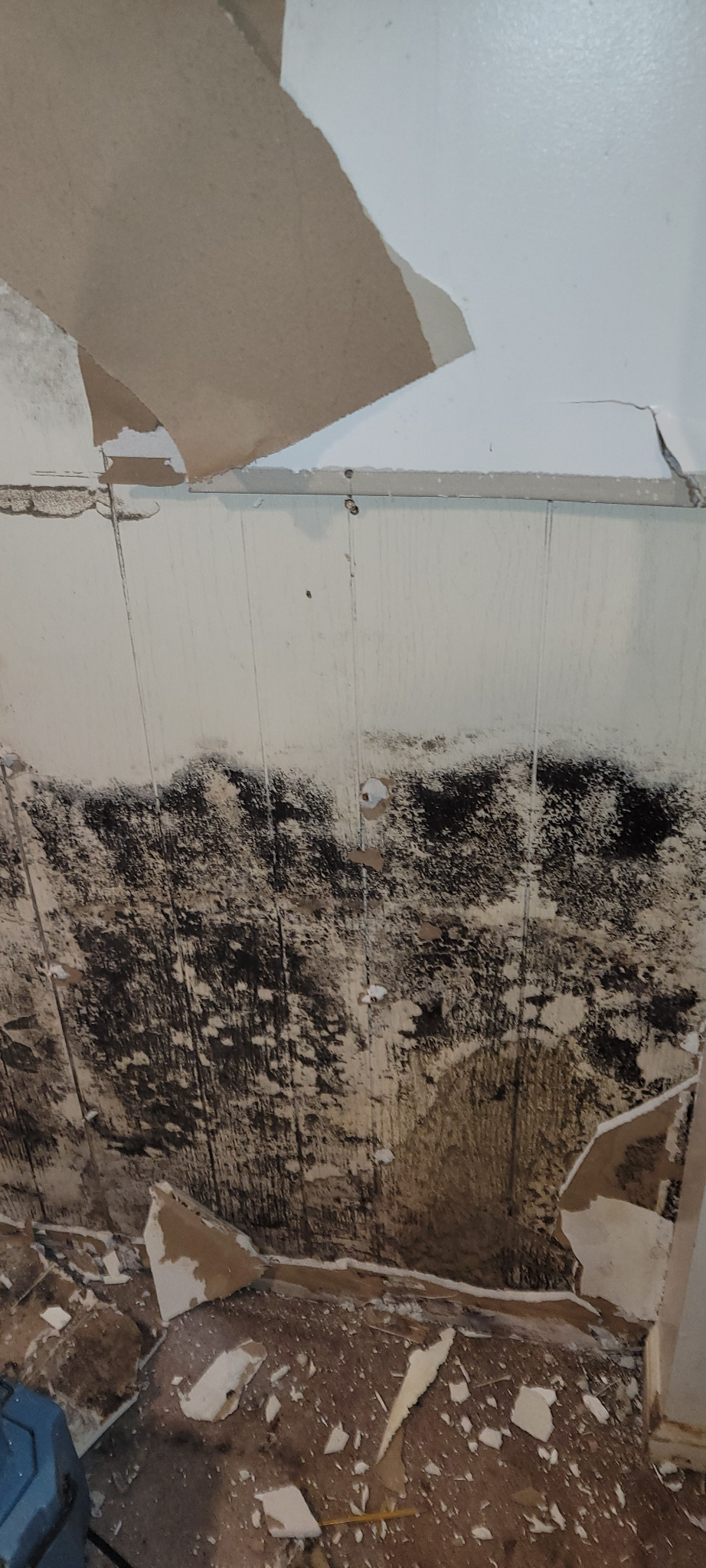
Mold can begin to grow in as little as 24-48 hours after water intrusion. To prevent this, quick action is essential. If you notice wet floors, damp walls, or water pooling in your basement, do not wait to address it. Remove standing water as soon as possible using pumps, wet vacuums, or towels if warranted by the extent of the damage. Discard saturated carpets, rugs, or upholstery if they can’t be thoroughly dried.
Dry Out Affected Areas Completely
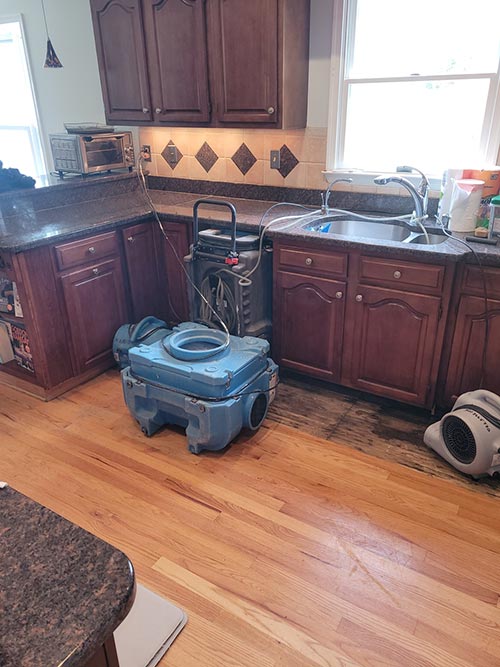
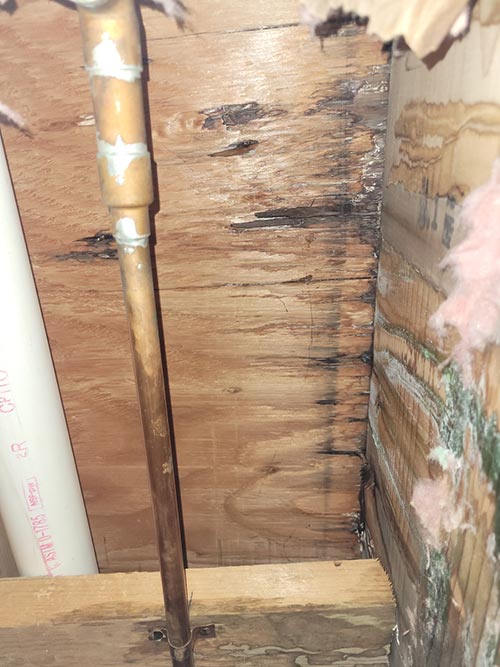
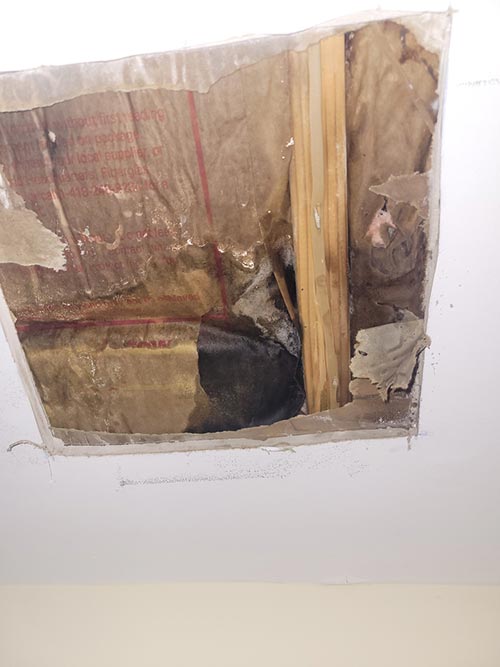
Thorough drying is the backbone of mold prevention. Use fans and dehumidifiers to speed up the drying process. Open windows and doors to allow air circulation, especially on days with low outdoor humidity, which is common in Maryland spring and autumn. Pay special attention to areas that are hard to reach, such as behind baseboards, inside walls, or under flooring. It might be necessary to remove drywall or trim to prevent hidden moisture from causing mold issues.
Sanitize Surfaces and Items That Got Wet
After drying out, clean and sanitize all affected surfaces. Mold spores are everywhere, and without proper cleaning, they can thrive in even the smallest damp spots. Use a mixture of water and detergent for initial cleaning, and follow up with a disinfectant solution approved for mold remediation. Scrub all non-porous materials like tile, metal, or plastic, and dispose of porous items, like cardboard or insulation, that cannot be properly cleaned.
Monitor Indoor Humidity Levels
Keep your home’s relative humidity below 60% to prevent mold spores from settling and multiplying. Use a hygrometer to track indoor humidity. In moisture-prone spots, such as basements and bathrooms, consider investing in dedicated dehumidifiers. Regularly check for condensation on windows, pipes, or walls, and address the cause immediately.
Inspect and Repair Structural Issues
Water intrusion is more likely when there are cracks in foundations, leaky roofs, or failing gutters. Inspect your home for signs of damage after heavy rain or snow melt. Repair any roof leaks, reseal basement windows, and ensure gutters and downspouts are clear and channel water away from your foundation. Companies offering water damage restoration services can assist with more complex structural repairs and prevent recurrent issues.
When to Call a Professional
Recognizing when DIY solutions are not enough is key. If you encounter widespread water damage, suspect mold behind walls, or notice persistent musty odors, it’s time to consult a local water damage specialist. Mold can jeopardize your home’s value and your health, especially for those with respiratory issues or allergies. Local professionals offer advanced equipment for moisture detection, drying, and mold remediation to ensure your home is truly protected.
Contact Flood Solutions Inc for Mold and Water Damage Help in Baltimore County, MD
If your home in Baltimore County, MD or the surrounding areas has recently suffered water damage, do not wait for mold to become a problem. Flood Solutions Inc specializes in emergency water removal and professional mold prevention services. Call the team today at (301) 366-5730 or fill out our online form to request an estimate.




Leave a Reply