
Water damage restoration is a crucial service for homeowners and businesses that experience water intrusion due to storms, flooding, burst pipes, or appliance failures. Navigating a water emergency can be overwhelming, and getting trusted answers is key to protecting properties and ensuring a thorough and timely recovery. Here are the top ten questions about water damage restoration that are commonly asked by property owners, with clear answers to help guide the decision-making process.
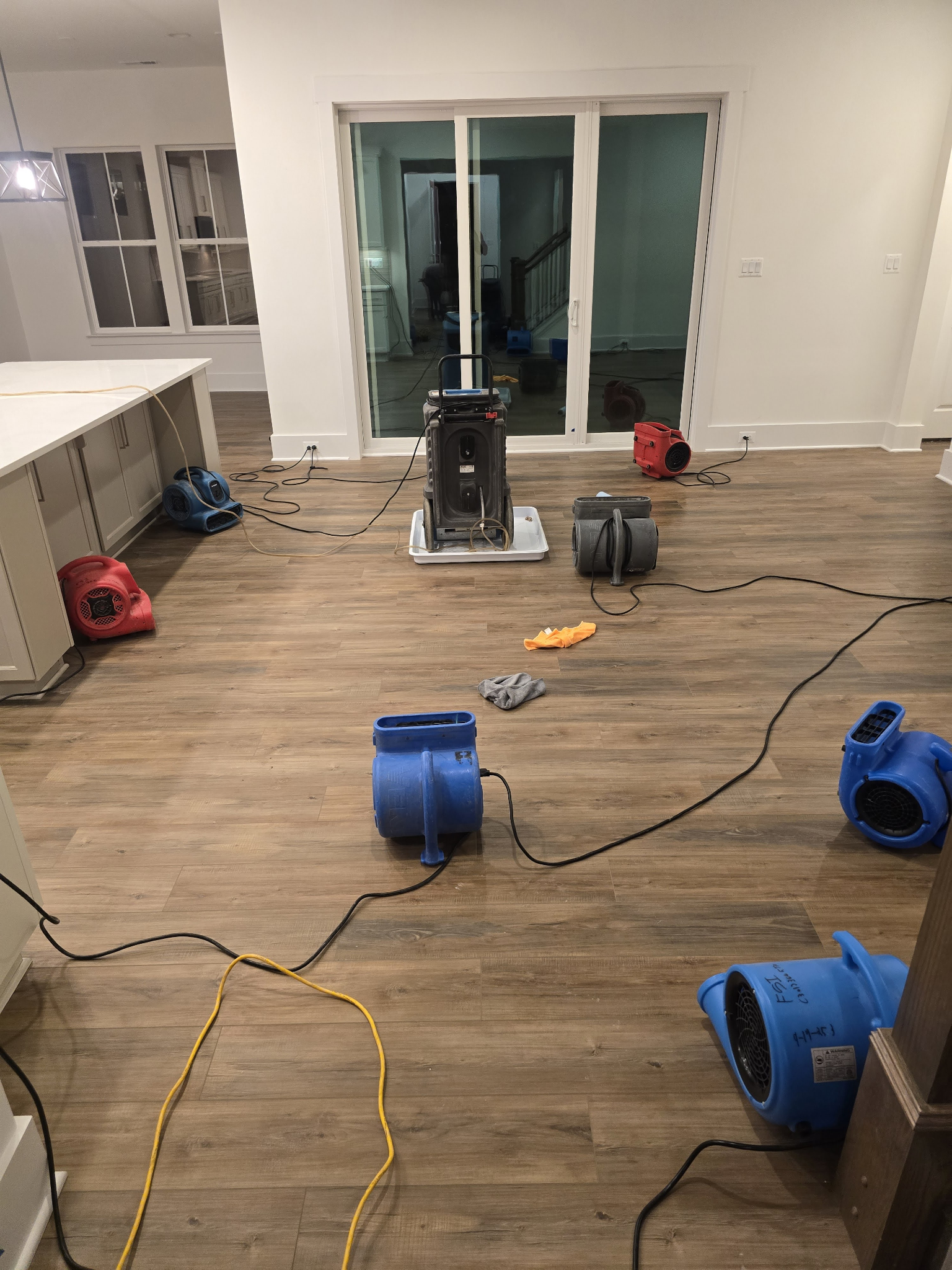
1. What should you do first after discovering water damage?
When water damage occurs, immediate action is required. Start by turning off the source of water if possible, such as shutting the main water supply valve. If it’s safe, turn off the electricity in the affected area and move valuable or sensitive items to a dry location. Contact a professional water damage restoration service to assess the damage and begin the cleanup process.
2. How quickly should water damage restoration begin?
Water spreads rapidly and can cause secondary damage like mold growth or structural deterioration. Restoration should start within 24 to 48 hours of detecting water damage. Prompt response minimizes health hazards, reduces repair costs, and increases the likelihood of salvaging your belongings.
3. What services does water damage restoration include?
A comprehensive water damage restoration process may include:
-
Water extraction and removal
-
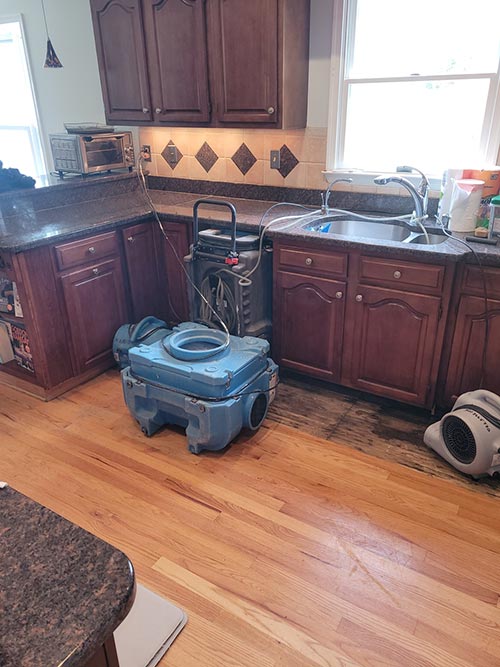
Drying and dehumidification
-
Mold remediation
-
Sanitizing and cleaning
-
Structural repairs and reconstruction
4. Can water-damaged property be fully salvaged?
The extent to which items or structures are salvaged depends on the severity and category of the water (clean, gray, or black water). Many items such as furniture, carpets, and some electronics can be restored if addressed quickly. However, items saturated with contaminated water or that have been wet for extended periods often need to be discarded for safety reasons.
5. Does homeowners insurance cover water damage restoration?
Most standard policies cover sudden and accidental water damage, like pipe bursts or appliance failures, but typically do not include flooding from natural disasters without additional flood insurance. It’s important for residents to review their policies, particularly in areas where heavy rain or flooding is common.
6. How can you tell if water damage restoration is necessary versus simple drying?
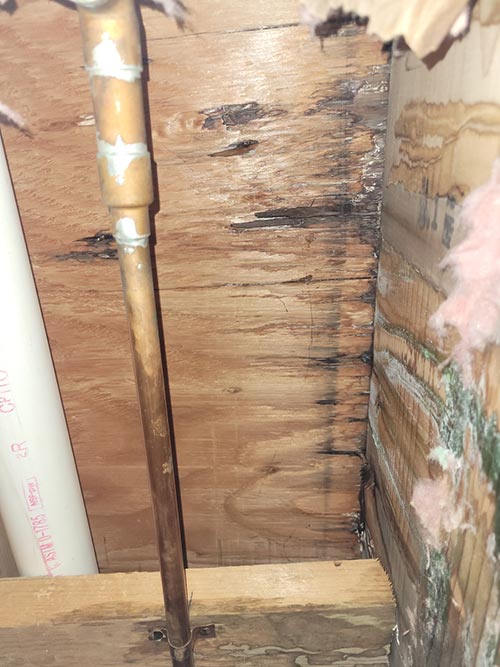
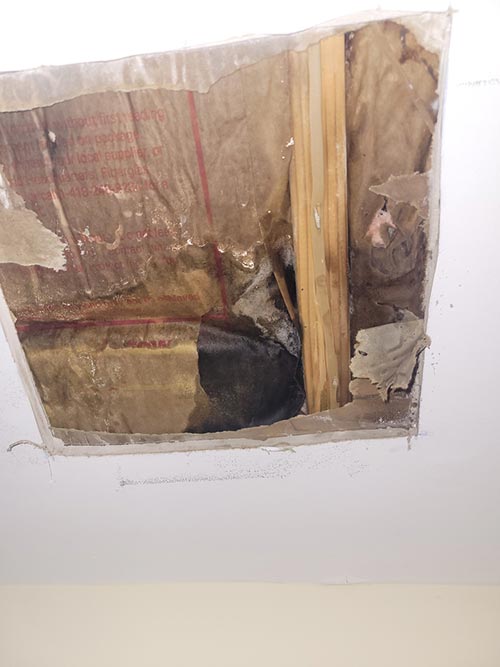
Superficial drying with fans or mops may not address water that has seeped into subfloors, walls, or insulation. Professionals use moisture meters and infrared cameras to detect hidden moisture and ensure that all affected areas are properly dried and treated, preventing future problems such as mold and structural damage.
7. Is mold growth always a concern after water damage?
Mold can begin to develop within 24 to 48 hours in damp conditions. Early, professional intervention that includes thorough drying and, if needed, mold remediation, reduces the risk of mold. Restoration specialists are trained to identify and mitigate mold growth as part of their process.
8. How long does it take to complete water damage restoration?
The timeline depends on the extent of damage, size of the affected area, type of water, and other factors. In many cases, the drying process can take three to five days. Repairs and reconstruction may take additional time, especially if major structural work is necessary.
9. What are the benefits of hiring a local professional water damage restoration company?
Local companies have experience with the climate, building types, and common water damage scenarios in the community. They typically provide faster response times and are familiar with local insurance providers. Residents benefit from working with a trusted source that understands the unique needs of the area.
10. How can you help prevent future water damage?
Regular maintenance of plumbing, appliances, and roofs can help prevent water emergencies. Simple steps include:
-
Inspecting pipes and fixtures for leaks
-
Cleaning gutters and downspouts
-
Sealing cracks in foundations and around windows
-
Installing sump pumps in basements and crawlspaces
Contact Flood Solutions Inc for Immediate Water Damage Assistance
When water emergencies strike in Baltimore County, MD and surrounding areas, prompt, professional help is vital. Flood Solutions Inc offers reliable water damage restoration services and specializes in emergency water removal with local expertise. For fast response and personalized solutions, call (301) 366-5730 or fill out our online form to request an estimate.




Leave a Reply