
Water damage in your home can happen suddenly, and quick action is essential to reduce loss and protect your property. Recognizing the unique challenges faced by homeowners, especially in areas like Baltimore County where weather patterns often contribute to heavy rains and sudden flooding, can make all the difference in minimizing damage and recovery costs.
1. Assess the Severity and Ensure Safety
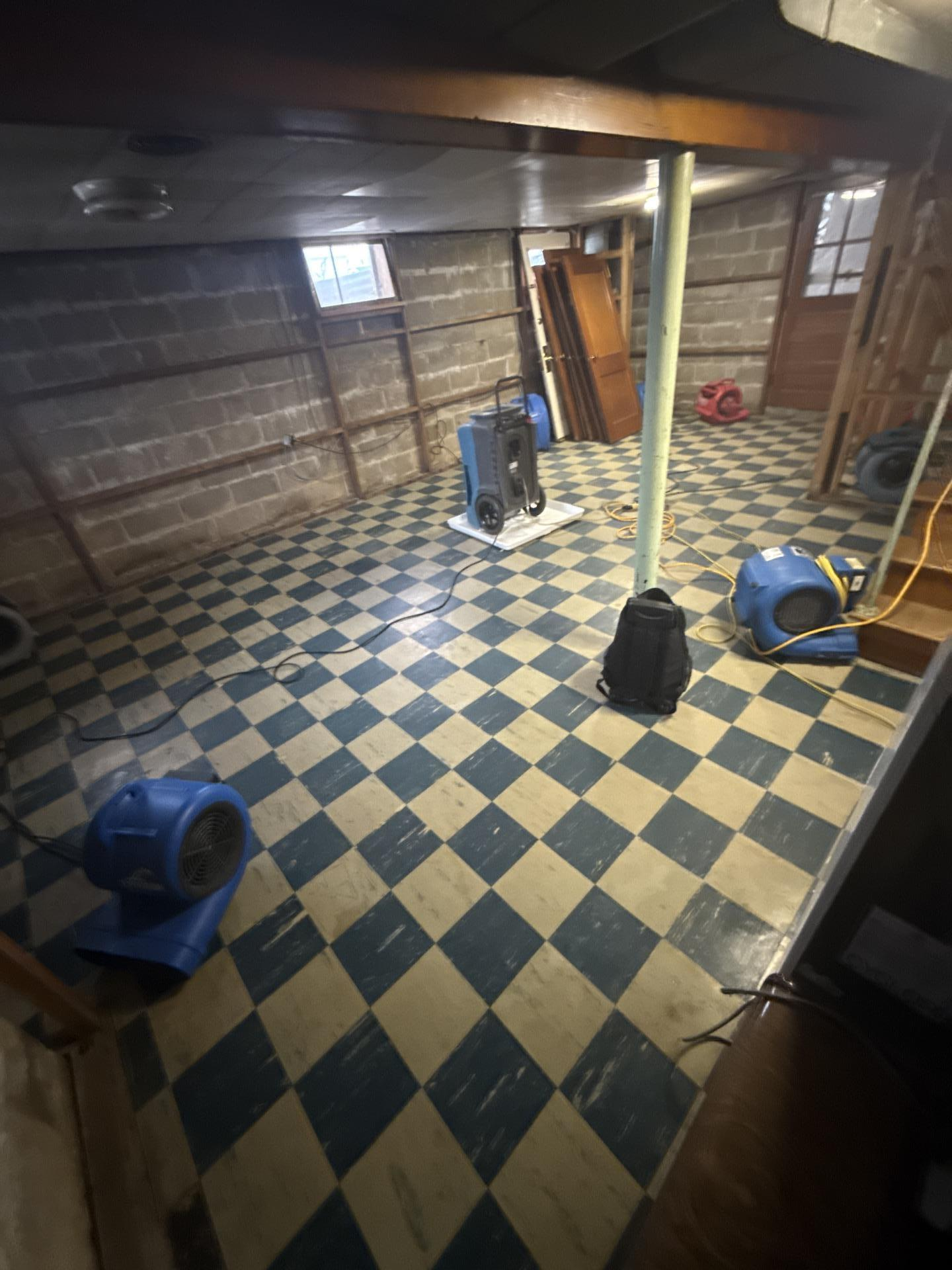
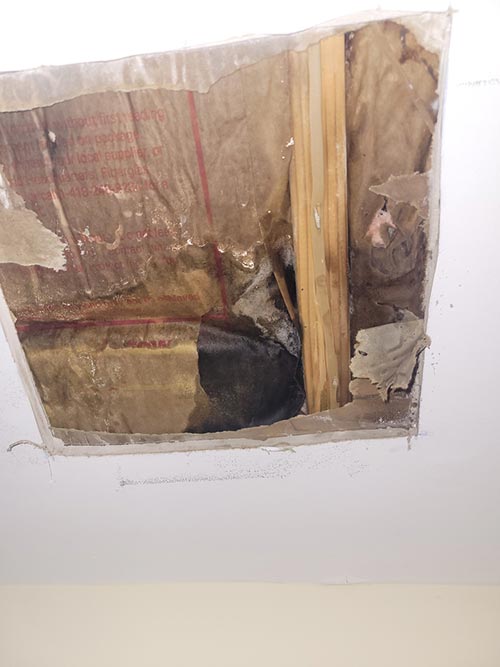
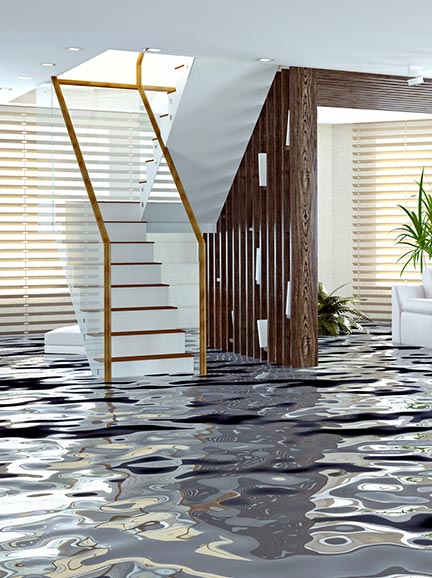
As soon as you notice water damage, your first priority should be to ensure the safety of everyone in your home. Assess the extent of the damage from a safe distance, and if water is near electrical systems or if you smell gas, evacuate immediately. Common scenarios in the region include flooded basements during the spring thaw or after severe thunderstorms, which can rapidly make lower levels of your home unsafe. If any structural elements appear compromised, such as bulging ceilings or collapsing drywall, keep out of those areas until a professional can inspect them.
2. Stop the Source of the Water
Once safety is secured, identify and stop the source of water if you can do so safely. This may involve shutting off the main water valve in cases of a burst pipe or a malfunctioning appliance. If water intrusion is due to heavy rain, try to block further entry with towels or sandbags. Taking swift action in this step helps prevent ongoing damage and limits how much water restoration is necessary, which is especially important considering the climate in Baltimore County where sudden storms are not uncommon.
3. Document the Damage for Insurance Purposes
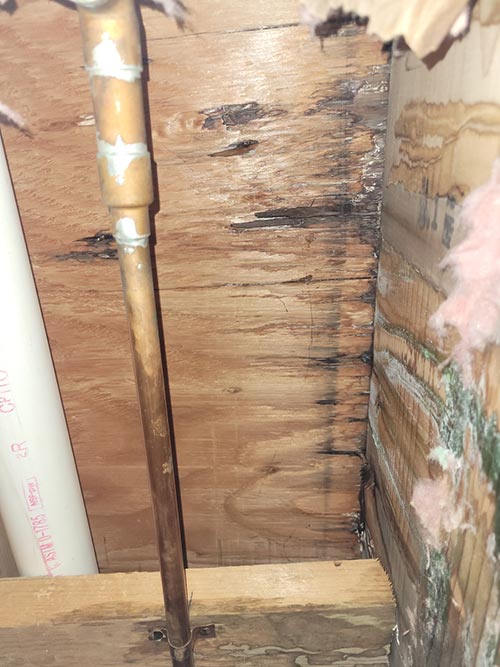
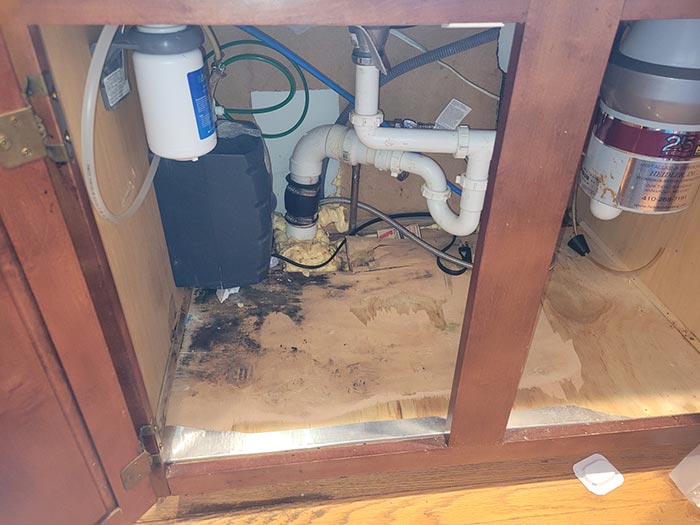
Before removing any water or starting cleanup, document the condition of your property. Take clear photos and videos of all affected areas, belongings, and structural components. This documentation will be crucial for your insurance claim process and may assist the restoration team in evaluating the extent of the work required. Make a list of damaged items, noting their condition and approximate value, because accurate records can help speed up insurance reimbursements.
4. Remove Excess Water and Begin Drying Out
The next step is to start removing standing water and begin the drying process to prevent mold growth and further deterioration. Use wet/dry vacuums, mops, or towels to soak up as much water as possible. Open windows if weather permits, and use fans or dehumidifiers to expedite drying. In Baltimore County’s humid summers, thorough drying is critical to avoid mold remediation needs later on. However, avoid using household vacuum cleaners or electrical appliances in standing water.
5. Contact a Professional Water Restoration Company
While you may address minor damage yourself, moderate to severe water intrusion should always be handled by professionals. Contacting a reliable local company ensures that you receive specialized support tailored to your situation. Professionals handle in-depth water removal, inspect for hidden moisture, and mitigate long-term damage using commercial-grade equipment and expertise. Prompt action also helps protect you from secondary issues such as mold infestation or structural weakening, which can develop quickly given Maryland’s frequently damp weather.
Take Action Today: Protect Your Baltimore County Home
If you experience water damage on your residential property in Baltimore County, MD, or the surrounding areas, partnering with a trusted, local specialist is your smartest move. Flood Solutions Inc offers rapid response and comprehensive water damage restoration services, customized to the regional climate and building styles. Reach out now at (301) 366-5730 or fill out our online form for immediate assistance. The sooner you act, the better your outcome will be. Protect your home and peace of mind with Flood Solutions Inc.
Related posts:
 What You Need to Know About Home Insurance and Floods
 A Complete Water Damage Restoration Checklist for Your Home
 How Seasonal Storms in Maryland Can Increase Your Risk of Water Damage — And What to Do About It
 Water Extraction: Why Is Water Extraction Important During Water Restoration Process?
 10 Frequently Asked Questions About Water Damage Restoration


Leave a Reply