
Water extraction is a critical first step in any water damage restoration process. Whether dealing with a burst pipe, flooding from heavy Baltimore rains, or a sewage backup, having excess water in your home or business can rapidly lead to structural damage, health hazards, and costly repairs. To protect your property and your family’s health, it’s important to understand why water extraction should always be performed immediately and professionally as part of restoration.
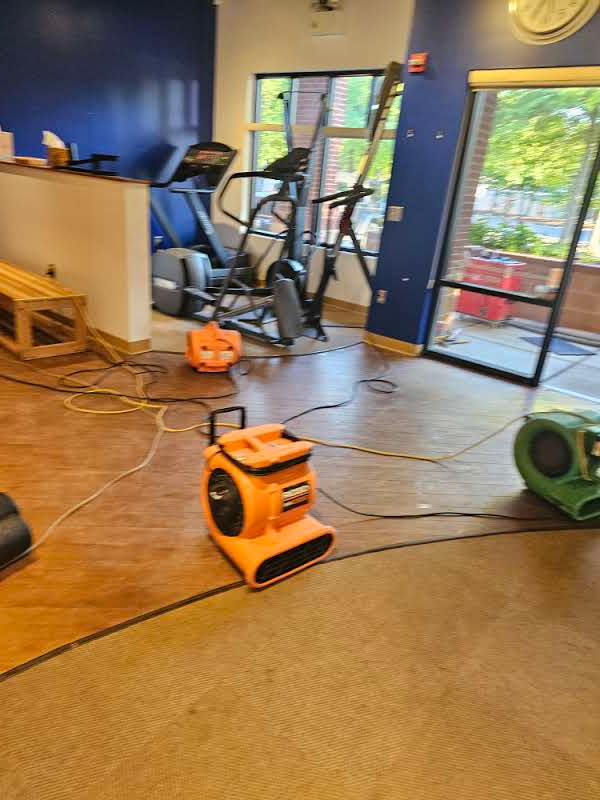
What Happens If Water Isn’t Extracted Right Away?
When water seeps into carpets, drywall, wood, and belongings, it does not simply evaporate on its own. Delaying extraction, even for a few hours, can cause significant problems such as:
-
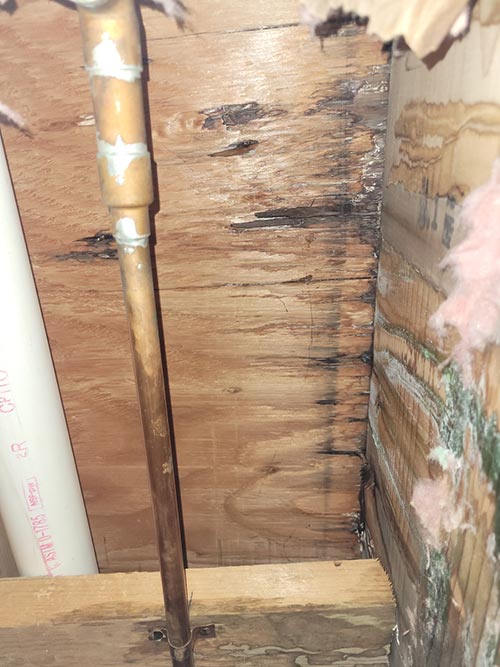
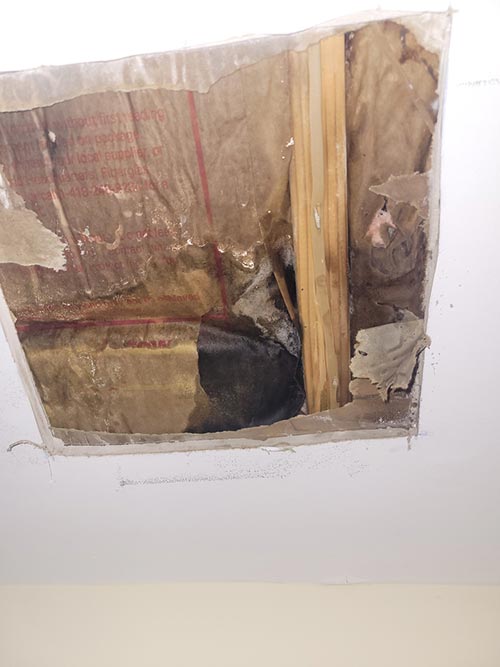
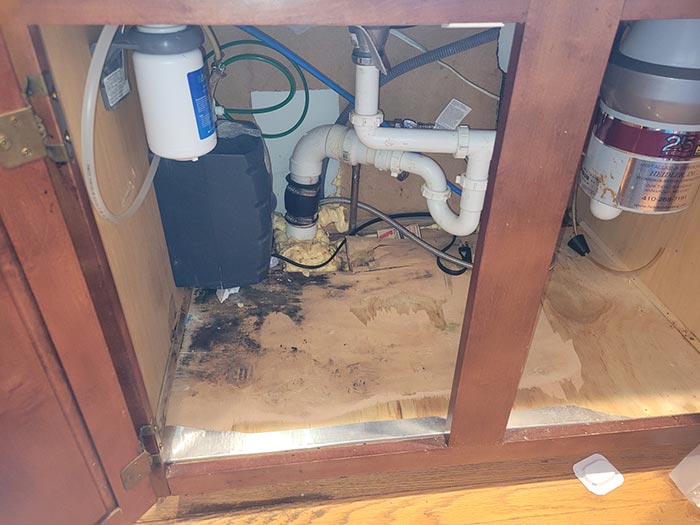
Mold growth, which can begin within 24-48 hours
-
Structural weakening of wood frames, floors, and walls
-
Secondary water damage, including swelling, staining, and warping
-
Unpleasant odors that are tough to remove
-
Bacterial and viral contamination, especially after sewage backup
Baltimore County experiences humid summers and precipitation throughout the year—a climate in which leftover moisture can accelerate damage and foster rapid mold growth inside homes and businesses.
Why Professional Water Extraction Makes a Difference
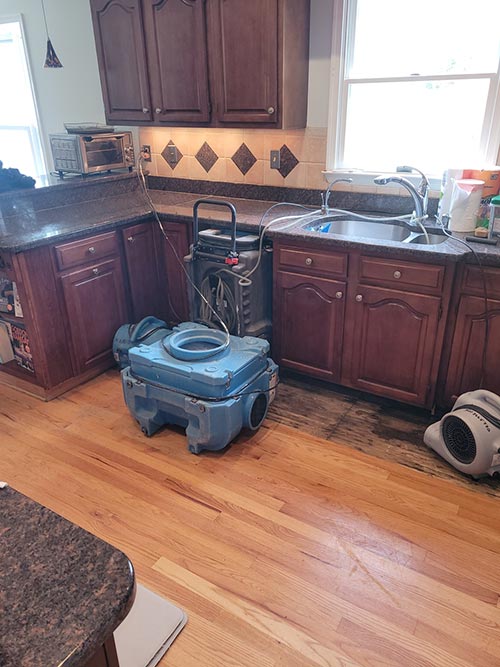
Many property owners might consider using shop vacuums, towels, or drying fans for water removal. However, water can move and hide inside wall cavities, subfloors, and under tile. Professional water extraction services use industrial-grade pumps, vacuums, and moisture detection tools to:
-
Identify all hidden water, even in hard-to-reach areas
-
Remove large volumes of water quickly and safely
-
Prevent deeper structural damage and mold colonies
-
Start the drying and dehumidification process immediately
Trained restoration teams also evaluate building materials for salvageability, remove unsalvageable items, and document the process for insurance purposes.
The Role of Water Extraction in the Restoration Process
Water extraction is just the first phase in the broader water damage restoration service. Here’s how it fits into a proven process:
-
Initial assessment using advanced moisture meters
-
Fast and thorough water extraction to minimize spread
-
Use of specialized drying equipment such as air movers and dehumidifiers
-
Monitoring and adjustment of drying conditions until property is fully dry
Water extraction focuses on rapid removal to buy precious time in preventing long-term effects. Without this step, the risk of mold remediation skyrockets and restoration timelines and costs increase.
Real-World Example: Fast Response After Basement Flooding
Recently, homeowners in Baltimore County dealt with severe basement flooding after a storm. Rapid water extraction was essential to prevent damage to the foundation and minimize loss to stored belongings. Professional crews arrived with high-capacity vacuums and moisture meters, removing gallons of water within hours. Because extraction began promptly, subsequent drying and restoration were minimized in scope, saving both time and money for the homeowners.
How Seasonal Weather in Baltimore County Impacts Restoration
Baltimore’s weather, with frequent spring and summer thunderstorms and winter freeze-thaw cycles, can lead to various water hazards. Quick and efficient extraction ensures that water is not trapped behind walls or under flooring, where unseen damage could develop over time, particularly during the humid months when mold thrives.
Contact Flood Solutions Inc for Immediate Water Extraction Help
If you’re facing a water emergency in Baltimore County, MD and nearby areas, don’t wait for the problem to worsen. Contact Flood Solutions Inc for 24/7 water extraction, water damage restoration, and mold remediation services. Our certified team is trained to protect your property and your health with rapid, professional solutions. Call us now at (301) 366-5730 or fill out our online form to request an estimate.
Related posts:
 Water Restoration: What Should I Expect During a Water Damage Restoration Process?
 10 Frequently Asked Questions About Water Damage Restoration
 Why a Professional Water Damage Inspection Pays for Itself (Before You Sell or Refinance)
 A Complete Water Damage Restoration Checklist for Your Home
 Why Water Damage Attracts Mold


Leave a Reply